

Impact of Dietary Supplementation with Garlic (Allium sativum) and Neem (Azadirachta indica) Leaf Meal on the Duodenal Histomorphology of Rabbit Bucks
byAbstract
This study assessed the impact of garlic and neem leaf supplementation on the histomorphology of the intestinal structure of rabbits over a 48-day feeding trial. Twenty-four mature rabbit bucks with an average weight of 3.2 kg from three breeds (New Zealand White, White Chinchilla, and Dutch) were randomly assigned to four dietary treatments, each with six rabbits in a completely randomized design (CRD) with three replications. Four diets were formulated to meet the nutritional needs of rabbits, with supplementation at 0% (control, CON), 5% garlic (G5), 5% neem leaf (N5), and a combination of 2.5% garlic and 2.5% neem leaf (GN2.5). At the end of the feeding trial, sections of the duodenum were collected, processed, and examined histologically to evaluate villus height, crypt depth, villus-to-crypt ratio, and mucosal thickness, Histological analysis revealed variations in villus height and crypt depth across dietary treatments, with rabbits in the combined garlic and neem leaf group GN2.5 (p < 0.05) showing improved villus surface area and villus-to-crypt length ratio compared to other groups. The G5 and GN2.5 groups also exhibited enhanced mucosal thickness, indicating potential benefits for nutrient absorption and gut health. No significant lesions or adverse histological changes were observed in any treatment group, suggesting the safety of garlic and neem leaf as dietary supplements in rabbits. It was concluded that both garlic and neem leaf can be beneficial as natural additives for improving gut morphology in rabbits but cannot be used in high percentages.
Keywords: Rabbits; phytogenic feed additives; intestinal histomorphology1. Introduction
The use of herbal supplements in livestock production has garnered significant interest in recent years, driven by the regulation of synthetic antibiotic growth promoters (AGP) and the increasing threat of antimicrobial resistance [1]. This shift in focus highlights the need to explore plant-based alternatives, particularly those with therapeutic properties that can enhance the health and productivity of livestock. Among these, garlic (Allium sativum) and neem (Azadirachta indica) have emerged as potential candidates due to their health benefits and availability.
In rabbit (Oryctolagus cuniculus) production, a sector valued for its high-quality lean protein, maintaining gastrointestinal health is the primary challenge to economic viability. The duodenum, which is the proximal segment of the small intestine, acts as the definitive site for enzymatic digestion and nutrient assimilation. Its structural integrity, characterized by villus height (VH), crypt depth (CD) and VH:CD ratio, is a critical biomarker for the animal’s metabolic efficiency and systemic health [2].
Phytogenic feed additives (PFAs) have emerged as powerful replacements to antibiotics in optimizing gut histomorphology without the risk of chemical residues. Garlic (Allium sativum) contains bioactive organosulfur compounds, notably allicin which exhibit pharmacological properties, including antimicrobial and antioxidant [3]. These properties can positively influence the overall health of livestock and may enhance reproductive performance through improved organ health and functionality. Similarly, Neem (Azadirachta indica) is recognized for its broad-spectrum pharmacological properties including anti-inflammatory and immunomodulatory effects mediated by limonoids like azadirachtin [4].
While recent studies have shown that leaf meal inclusion can enhance gut morphometry in local rabbits [2], the potential for phytogenic overdose remains a concern, as high concentrations of saponins and tannins in neem have been associated with hepatic stress [5]. The individual effects of garlic and neem on growth performance are well documented [6,7], there is a lack of evidence regarding their combined impact on duodenal histomorphology. It is currently unknown whether their various bioactive properties act to enhance villus development or suppress the development due to cumulative secondary metabolites.
If the chemical and biological properties of garlic and neem, either individually or in combination, are demonstrated to positively influence the intestinal histomorphology of rabbits such as by increasing villus height and crypt depth without detrimental effects on cellular characteristics and overall morphology, their application as dietary supplements could significantly improve nutrient absorption and digestive efficiency. Consequently, this could lead to enhanced growth rates and reproductive performance in rabbits, ultimately impacting animal production favorably.
2. Materials and Methods
2.1. Experimental Site
The experiment was conducted in the rabbit section of the Animal Science Teaching and Research Farm, Faculty of Agriculture, Nnamdi Azikiwe University, Awka, Anambra State, Nigeria. The geographical location of the site lies between latitude 6.24°N and 6.28°N and longitude 7.00°E and 7.04°E in the southeastern part of Nigeria.
2.2. Source and Preparation of Experimental Materials
Fresh neem leaves (Azadirachta indica) and garlic (Allium sativum) required for the experiment were purchased from Eke-Awka market. The neem leaves were sourced fresh, washed to remove impurities, air-dried under shade at room temperature for 7 days to still retain its chemical properties that can be lost when exposed directly to sunlight, and then ground into a fine powder. Fresh garlic was also washed to remove any adhering debris or contaminants, peeled, and cut into small pieces, after which it was dehydrated using a dehydrator at 138℃ for 10 hours and ground into a powdered form. The garlic and neem powders were incorporated into the rabbit feed at varied levels as per the experimental design.
2.3. Experimental Animals and Management
Twenty-four mature rabbit bucks of three breeds (New Zealand White, White Chinchilla, and Dutch) were sourced from a reputable farm in Nnobi, Anambra State, for the experiment. The rabbits were within an average age range of 24-30 weeks and weighed between 2-4 kg. Upon arrival, they were quarantined for two weeks to acclimate and to screen for any possible bacterial infections; appropriate treatments were administered to manage stress and ensure health prior to the experiment. During the experimental period, each rabbit was individually housed in a wooden hutch (with dimensions, L= 80cm. W= 60cm, H= 45cm) under an intensive housing system, with feeders and drinkers provided in each cage. Panicum maximum, Centrosema pubescens, concentrate feed, and clean drinking water were provided ad libitum during both the quarantine period and the experimental duration. Routine management practices, such as cleaning of hutches and monitoring of feed and water intake, were carried out daily to maintain optimal health and hygiene conditions for the rabbits.
2.4. Experimental Design, Experimental Diet and Composition
24 Rabbits bucks were randomly assigned to four experimental treatments with three replicates of two animal unit per replicate. Four experimental diets were formulated with diet one having no garlic or neem leaf (CON), diet two with 5% garlic (G5), diet three with 5% Neem leaf (N5) while diet four with 2.5% garlic and 2.5% neem leaf (GN2.5). The gross composition and calculated analyses of experimental diets are shown in Table 1.
Table 1. Proximate composition and estimated nutrient content of the experimental concentrate diet.
| Ingredient | CON* | G5 | N5 | GN2.5 |
|---|---|---|---|---|
| Maize | 22.47 | 17.47 | 17.47 | 17.47 |
| Soybean | 8.65 | 8.65 | 8.65 | 8.65 |
| Rice husk | 16.00 | 16.00 | 16.00 | 16.00 |
| Fish meal | 1.00 | 1.00 | 1.00 | 1.00 |
| Bone meal | 0.50 | 0.50 | 0.50 | 0.50 |
| Limestone | 1.00 | 1.00 | 1.00 | 1.00 |
| Vitamin premix | 0.13 | 0.13 | 0.13 | 0.13 |
| Salt | 0.25 | 0.25 | 0.25 | 0.25 |
| Garlic | 0.00 | 2.50 | 0.00 | 0.00 |
| Neem leaf | 0.00 | 0.00 | 2.50 | 0.00 |
| Garlic + neem leaf | 0.00 | 0.00 | 0.00 | 2.50 |
| Total | 50.00 | 50.00 | 50.00 | 50.00 |
| Nutrient composition | ||||
| Crude protein (%) | 18.00 | 18.00 | 18.00 | 18.00 |
| Metabolizable energy (kcal/kg diet) | 3216.2 | 3216.2 | 3216.2 | 3216.2 |
| Crude fiber (%) | 5.414 | 5.414 | 5.414 | 5.414 |
* CON = diet without garlic or neem leaf supplementation (control); G5 = diet supplemented with 5% garlic; N5 = diet supplemented with 5% neem leaf; GN2.5 = diet supplemented with a combination of 2.5% garlic and 2.5% neem leaf.
2.5. Data Collection
At the end of the experiment (8 weeks), 2 rabbits from each treatment group were randomly selected and sacrificed for tissue collection for histomorphological examination. A 10 cm section of the duodenum, which is a part of the small intestine, was collected from each rabbit. The collected duodenum segments were carefully flushed with normal saline to remove any debris. The cleaned samples were then fixed in 10% formalin to preserve tissue structure. Following fixation, the samples were processed, sectioned, and stained using standard histological techniques. Microscopic examination of these sections was conducted to evaluate histomorphological parameters such as Villi Height (VH), Crypt Depth (CD), Villi-to-Crypt Ratio (V Ratio), Mucosal Thickness, Surface Area of Villi, allowing for assessment of any structural changes resulting from the dietary treatments. All measurements were made in micrometers (µm). The data collected were properly documented and subjected to descriptive statistics and the bar charts were generated using Microsoft Excel, 2016. The surface area of the villus was estimated by considering a villus as a cylindrical structure.
2.6. Histological Procedure
The necropsy was carried out according to normal procedures. Ten cm of duodenum was removed and fixed in 10% phosphate buffered formalin for 48 hours or more. Histological processing was performed as described by Bancroft and Gamble [8] but with slight modifications. For brief, the tissue was cut and subjected to a series of ethanol solutions for dehydration, then xylene clearing and paraffin wax infiltration before embedding. The paraffin blocks were cut into 5-µm sections with a rotary microtome.
The tissue sections were floated in a warm water bath, placed on clean glass slides, and allowed to air dry overnight at 60 °C. Section slides were deparaffinized and rehydrated in a series of ascending concentrations of alcohol before being stained with Mayer's hematoxylin and eosin (H&E). BLUEING and Differentiation were used as necessary to get optimum tissue contrast. After staining the slides were permanently mounted on DPX mounting medium. Slides were prepared and viewed using a Motic compound light microscope and representative photomicrographs were taken with a Motic© microscope camera (5M).
3. Results
3.1. Histomorphometric Evaluation
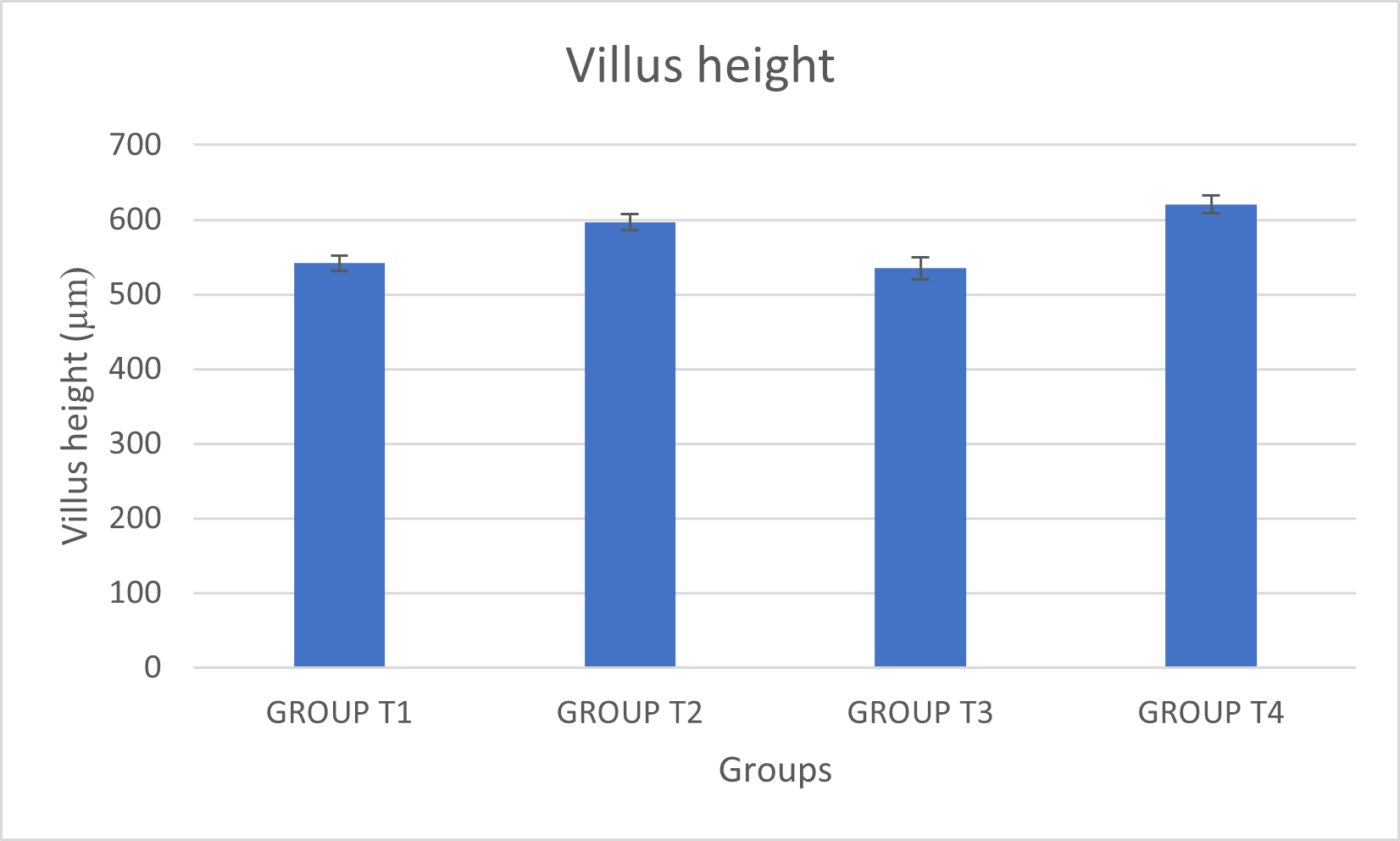
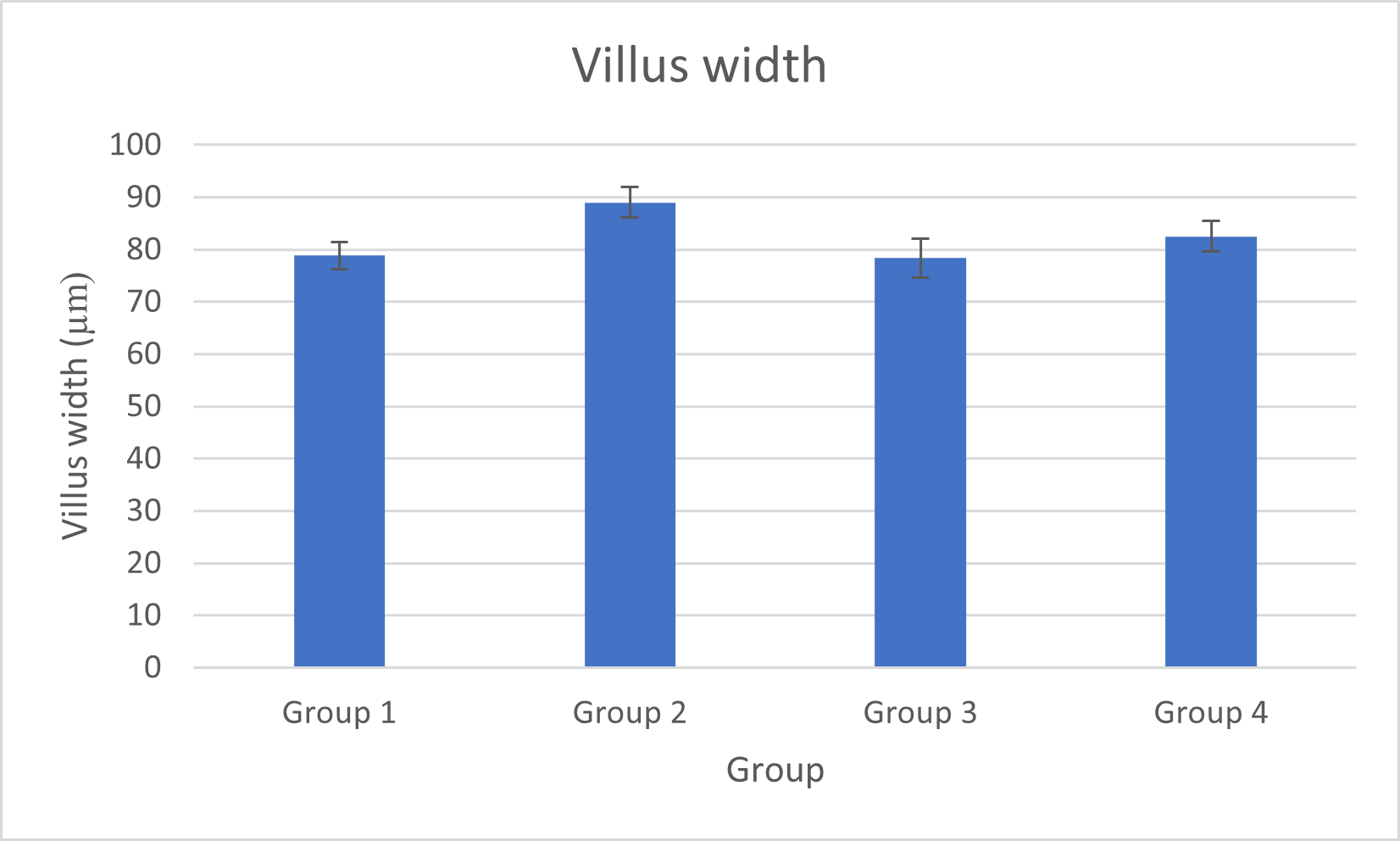
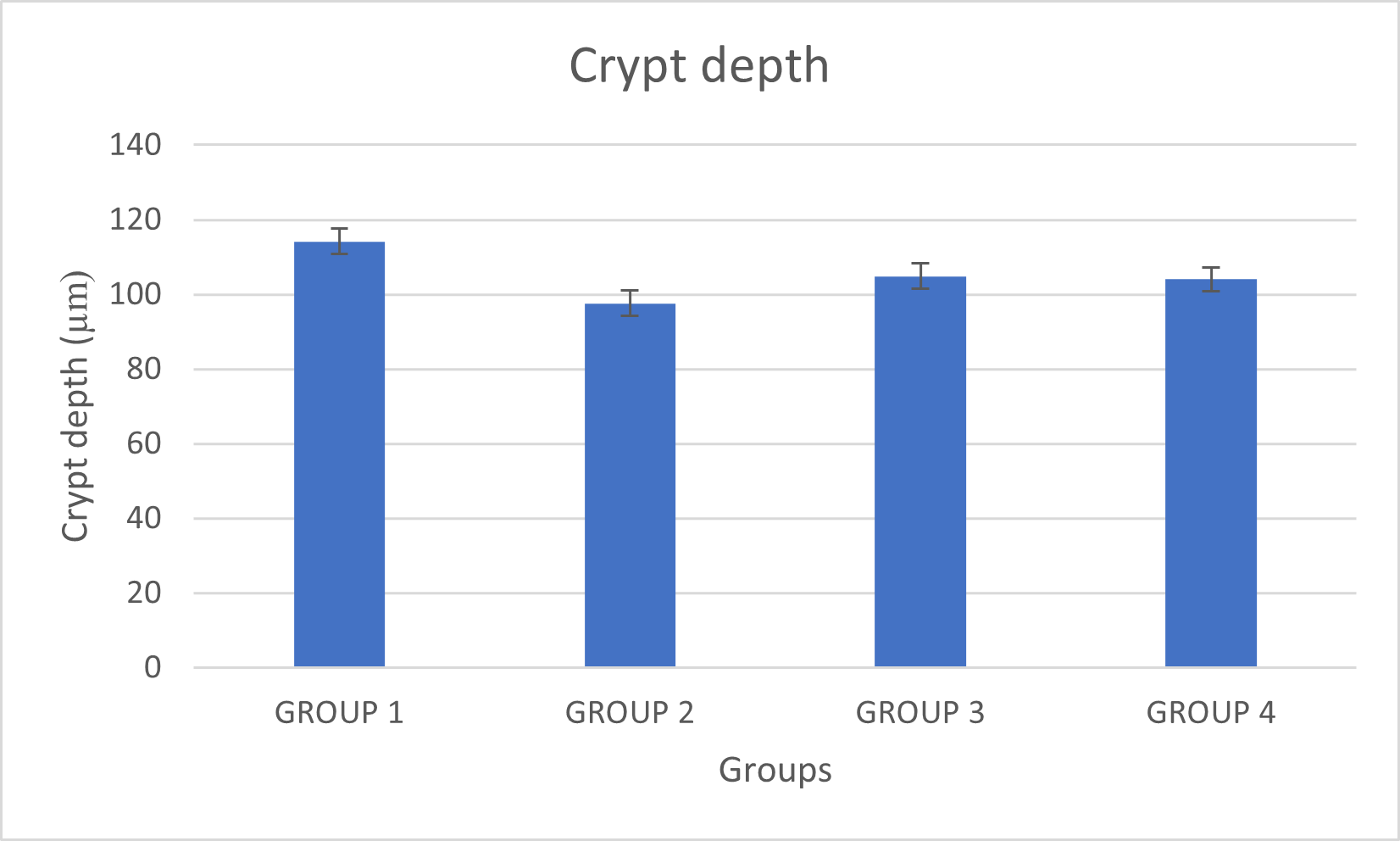
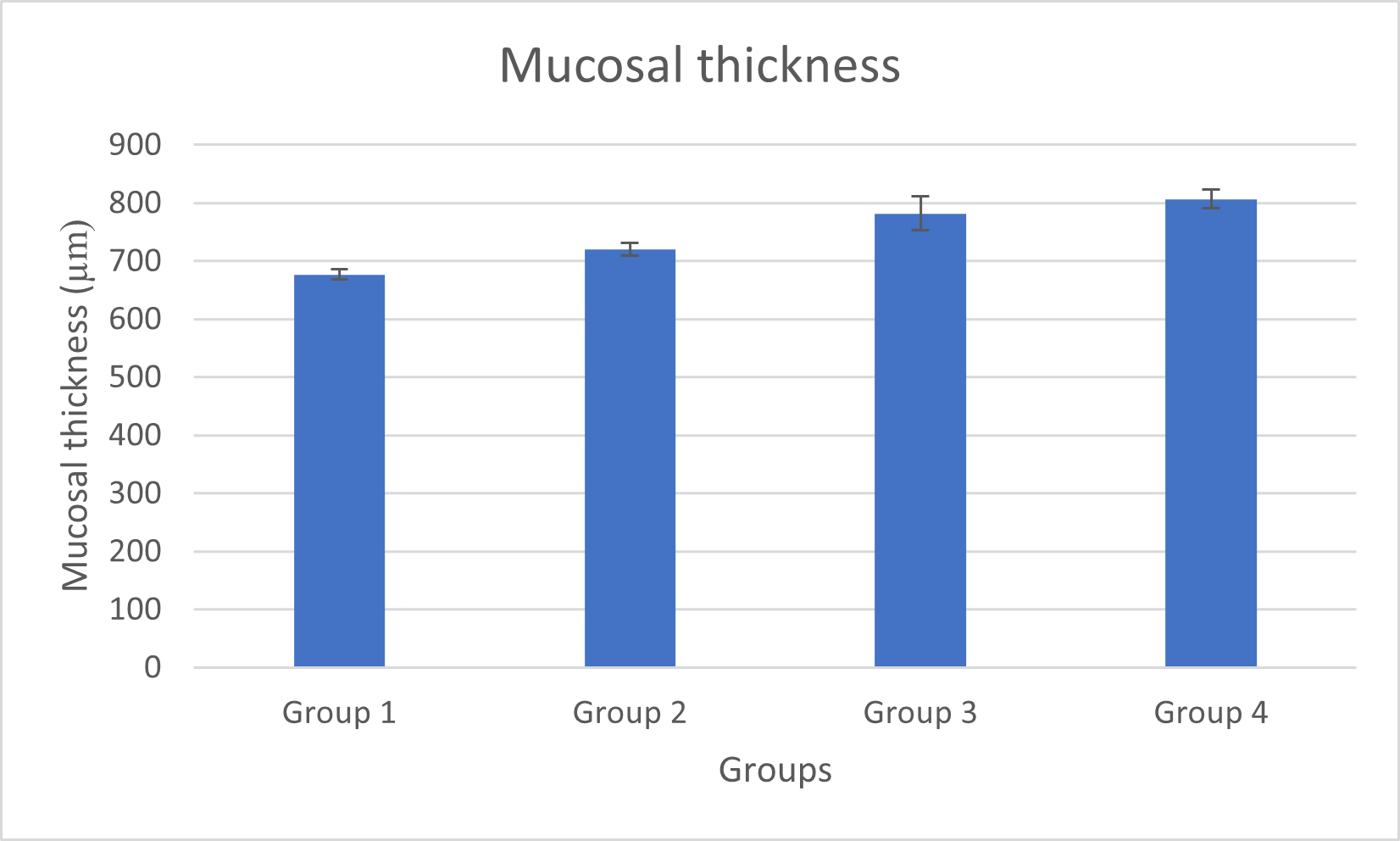
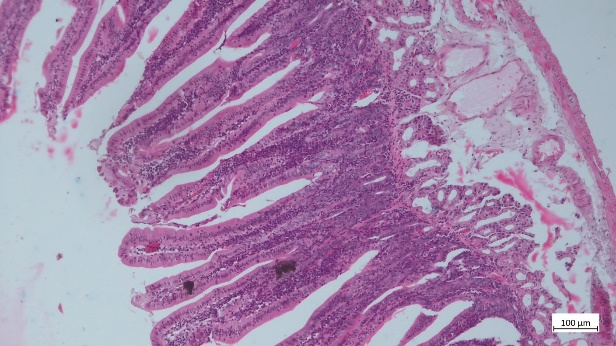
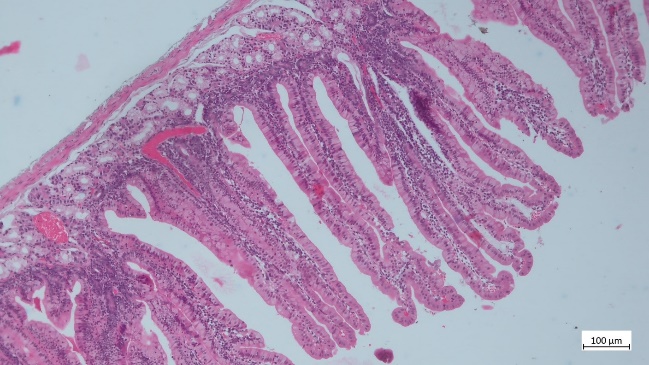
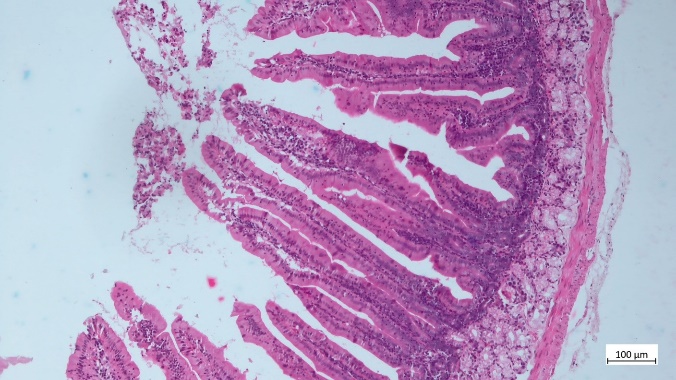
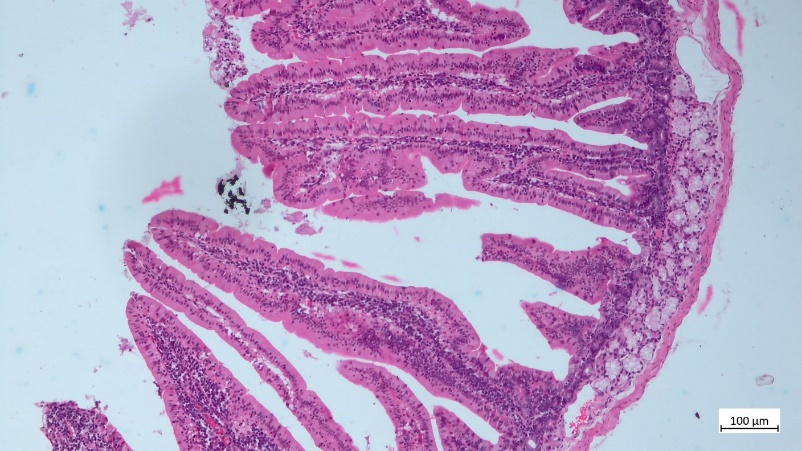
After properly calibrating every objective of the light microscope using a stage micrometer, the histomorphometry measurements were made using the x10 objective and photomicrographs were taken at x100 magnification. Major histological tissue changes can occur in the intestine due to postmortem interval and fixation time resulting in considerable variation in quality of sections. To minimize these effects only the regions of the intestinal sections presenting the best morphology were used. The length and width of villi, depth of crypts and the mucosal thickness for a total of 10 selected individual and apparently complete, full-sized intestinal villi with minimal damage or bending, were measured for each sample (Figure 1 and 2).
 |
 |
| (a) | (b) |
Figure 1. Villus height (a) and villus width (b) of the four treatment groups. Group T1, CON = diet without garlic or neem leaf supplementation (control); Group T2, G5 = diet supplemented with 5% garlic; Group T3, N5 = diet supplemented with 5% neem leaf; Group T4, GN2.5 = diet supplemented with a combination of 2.5% garlic and 2.5% neem leaf.
 |
 |
| (a) | (b) |
Figure 2. Crypt depth (a) and mucosal thickness (b) of the four treatment groups. Group T1, CON = diet without garlic or neem leaf supplementation (control); Group T2, G5 = diet supplemented with 5% garlic; Group T3, N5 = diet supplemented with 5% neem leaf; Group T4, GN2.5 = diet supplemented with a combination of 2.5% garlic and 2.5% neem leaf.
3.1. Representative Photomicrographs
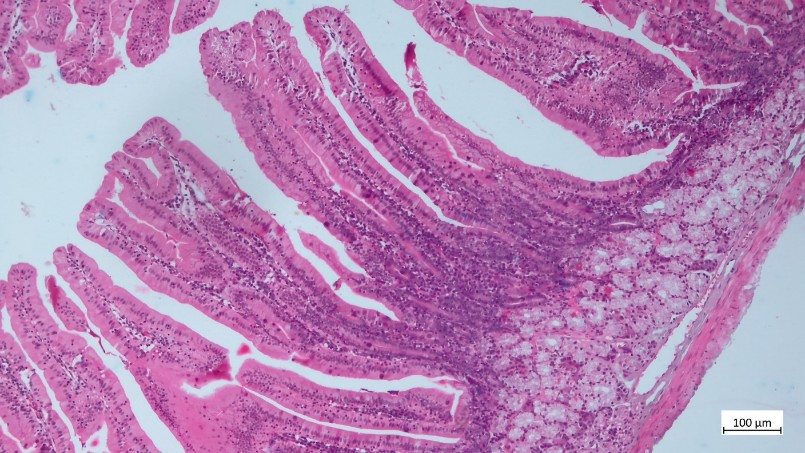
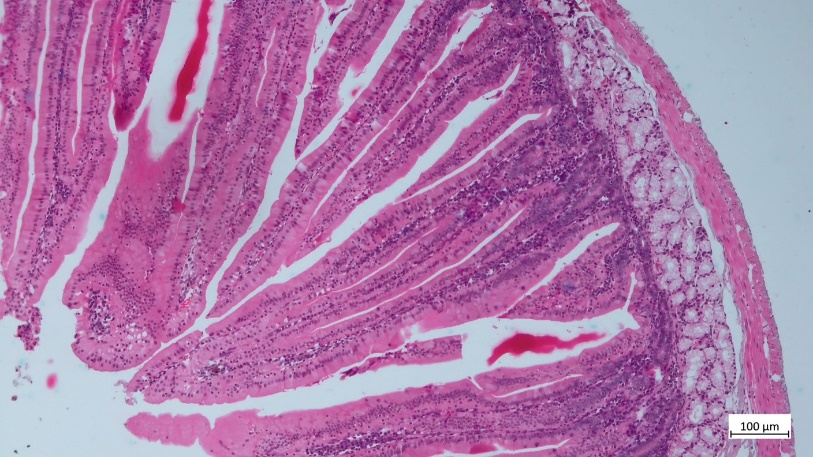
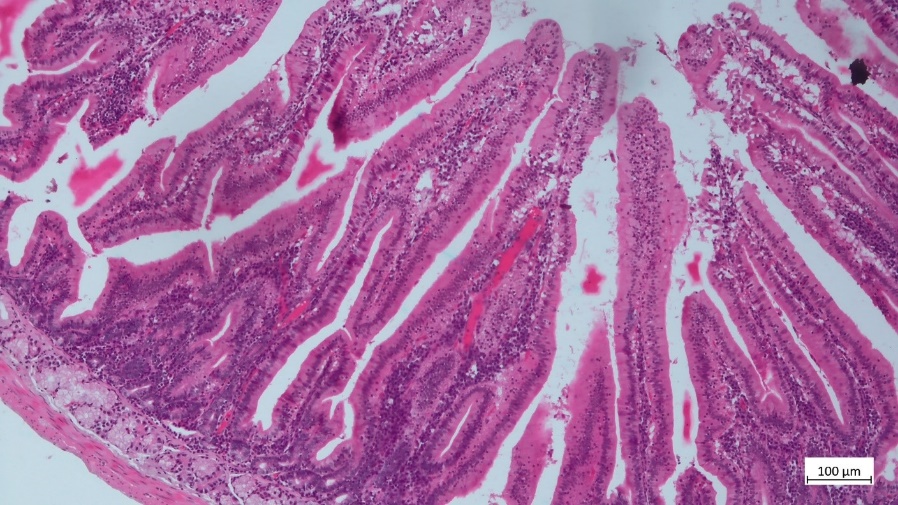
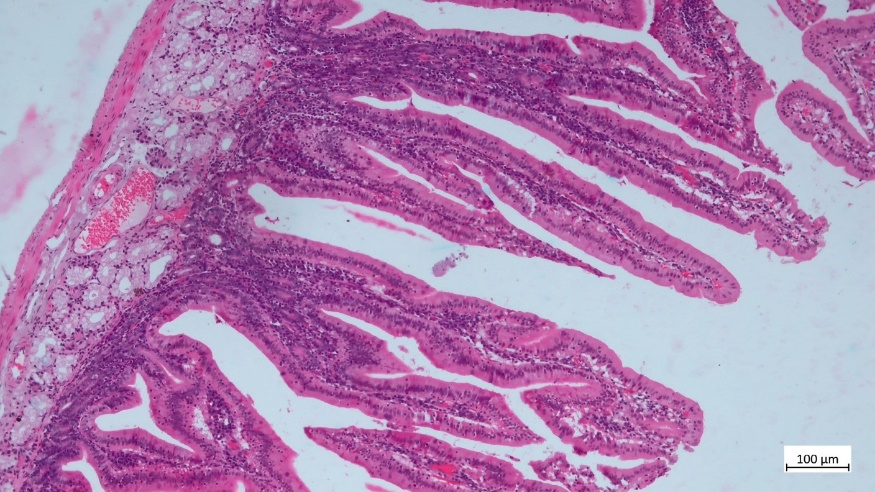
Sections of the duodenum presented in all the groups showed the normal duodenal histomorphology (Figure 3). The photomicrograph shows the duodenal mucosa (M) comprising of the Villi (V) and Crypts (C). In the sub-mucosa (SM), the Brunner’s glands (G) were mostly present and the tunica Muscularis (M) showed varying levels of thickness. Lumen (L).
 |
 |
|---|---|
| (a) | |
 |
 |
| (b) | |
 |
 |
| (c) | |
 |
 |
| (d) | |
Figure 3. Representative photomicrographs of intestinal tissue from rabbit bucks (2 representative samples per treatment group), stained with hematoxylin and eosin (H&E); magnification ×100. Treatment groups: a), CON = diet without garlic or neem leaf supplementation (control); b) G5 = diet supplemented with 5% garlic; c) N5 = diet supplemented with 5% neem leaf; d) GN2.5 = diet supplemented with a combination of 2.5% garlic and 2.5% neem leaf.
4. Discussion
This study explored the impact of dietary supplementation with garlic and neem leaves on the intestinal histomorphology of rabbits, specifically assessing villus height, width, crypt depth, mucosal thickness, and villus-to-crypt length ratio across four treatment groups.
4.1. Villus Height
The villi in the duodenum were longest in Treatment GN2.5 (621 µm), which received a combined supplement of 2.5% garlic and 2.5% neem, suggesting an additive or synergistic effect of these ingredients. Notably, G5 (5% garlic) had a villus height mean of 596 µm, slightly higher than N5 (5% neem), which had 535 µm. This implies that garlic may enhance villus height more effectively than neem. Increased villus height is normally associated with better nutrient absorption, as observed by Marchewka et al. [9], who indicated that villus height directly influences surface area for nutrient absorption, potentially boosting growth performance in animals. The control group (CON) showed the lowest villus height, reinforcing that dietary intervention plays a crucial role in intestinal morphology. A decrease in either villus height or crypt depth may lead to a reduction in nutrient absorption. The result of villus height to crypt depth ratio is a measure used to assess the health and functionality of small intestine’s lining [10].
4.2. Villus Width
Villus width followed a similar trend, with GN2.5 showing the broadest villi, which could indicate enhanced absorptive efficiency due to increased surface area. Greater villus width, especially when accompanied by increased villus height, enhances the digestive and absorptive capacity of the intestine by offering more absorptive cells per unit area. This structural benefit could explain the positive influence of the garlic-neem combination in GN2.5.
4.3. Crypt Depth
The crypt can be regarded as the villus factory, and a large crypt indicates fast tissue turnover and a high demand for new tissue within the intestine [11]. Crypt depth was most pronounced in Treatment CON, with a mean depth of 114µm. In contrast, G5 exhibited the shallowest crypts at 98 µm, followed closely by GN2.5 (104 µm). Shallow crypts can reduce the rate of epithelial turnover, favoring stability within the intestinal mucosa. In general, lower crypt depths in animals fed phytogenic or herbal dietary supplements are correlated with a lower turnover of epithelial cells and an energy-saving effect in the intestinal tissue, which leads to increased efficiency in the use of nutrients [12].
4.4. Villus to Crypt Ratio (VCR)
The VCR was highest in G5 (6.08), suggesting superior intestinal health, as a higher VCR is typically associated with an enhanced capacity for nutrient uptake [11]. This trend aligns with the review findings of Abd El-Ghany [6], who reported that diets supplemented with herbal ingredients, such as garlic, improved VCR, supporting epithelial proliferation and function. The control group had a comparatively lower VCR (4.75), reinforcing the beneficial impact of garlic and neem on the intestine.
4.5. Mucosal Thickness
The greatest mucosal thickness (781.97 µm) was observed in the N5 group with the supplementation of 5% neem which could mean better intestinal mucosal development. This may be related to the anti-inflammatory effects of neem and can play a role in maintaining the integrity of the intestinal barrier [13]. Treatment group GN2.5 also displayed increased mucosal thickness, though slightly lower than N5, indicating that the combination of garlic and neem may provide a balanced mucosal response without excessive thickness that might impede nutrient permeability.
Villus height and mucosal thickness are closely interrelated structures that collectively determine the absorptive rate and capacity of the small intestine. Taller villi provide a greater surface area for absorption of nutrient by increasing the contact between the intestinal epithelium and digesta, thereby enhancing the uptake of amino acids, fatty acids and simple sugars [1]. Mucosal thickness reflects the depth of the intestinal which encompasses the depth of the epithelial and lamina propria layers, supports villus structural integrity and provides the functional foundation necessary for efficient transepithelial nutrient transport [5]. When mucosal thickness increases in conjunction with villus height, the absorptive surface is not only expanded but also better vascularized facilitating more rapid transfer of absorbed nutrients into systemic circulation.
4.6. Photomicrographs
Histological examination confirmed typical duodenal structures across all groups, including intact villi and crypts. Notably, the Brunner’s glands within the submucosa appeared more pronounced in GN2.5, which could indicate enhanced secretion and digestive enzyme production, contributing to the observed improvement in histomorphometry [1].
5. Conclusion
Having studied the effects of dietary supplementation of garlic (Allium sativum) and neem (Azadirachta indica) on the intestinal histomorphology of rabbit bucks, it can be concluded that a combined supplementation of 2.5% garlic and 2.5% neem provide significant benefits to intestinal structure and function. This combined treatment resulted in the highest villus height and a balanced mucosal thickness, collectively enhancing nutrient absorption efficiency and supporting gut health. Additionally, the combined garlic-neem supplementation demonstrated a stabilizing effect on crypt depth and epithelial turnover, suggesting improved gut integrity and nutrient utilization. Compared to individual supplementation, the combined 2.5% garlic and neem showed fewer adverse effects and achieved a more favorable intestinal histomorphology, making it a promising strategy for improving the health, productivity, and sustainability of rabbit bucks in breeding programs.
Future studies should investigate the long-term effects of garlic and neem leaf supplementation on rabbit gut microbiota composition, immune response and overall production performance. Research into the optimal maturity stage of neem leaves at harvest as well as the effects of varying processing methods on bioactive compound retention is also recommended to further validate and refine these findings.
Author Contributions: Conceptualization, methodology, data collection, O.M.E. and K.C.O.; formal analysis, O.M.E. and K.C.O.; writing—original draft preparation, O.M.E., K.C.O. and E.O.O.; writing—review and editing, O.M.E. and E.O.O. All the authors have reviewed and approved the final published version of the manuscript. Institutional Review Board Statement: The proposal was reviewed and approved by the Department of Animal Science and Animal Ethics Committee of Nnamdi Azikiwe University Awka. Funding and Support Disclosure: No external financial support was obtained for this study. Data Availability Disclosure: Data can be obtained from the corresponding author upon reasonable request. Conflicts of Interest: The authors declare no conflict of interest.References
- Wang, J.; Deng, L.; Chen, M.; Che, Y.; Li, L.; Zhu, L.; Chen, G.; Feng, T. Phytogenic feed additives as natural antibiotic alternatives in animal health and production: A review of the literature of the last decade. Anim. Nutr. 2024, 17, 244–264. [Google Scholar] [CrossRef]
- Hadad, S. S.; Aziz, E. K.; Saad, A. H.; El-Gendy, H.; Abdel-Megeid, N.; Masoud, S. R.; Shukry, M.; Swelum, A. A.; Abdel-Hack, M. E.; Abumandour, M. M. A.; et al. Impact of dietary Moringa oleifera leaf supplementation on gut morphometry, behavioral and physiological parameters in growing male rabbits. J. Anim. Physiol. Anim. Nutr. 2024, 108 (5), 1214–1230. [Google Scholar] [CrossRef]
- Kale, R. B.; Gadge, S. S.; Jayaswall, K.; Patole, A. O.; Mahajan, V.; Singh, M. Ethno-veterinary medicinal uses of garlic (Allium sativum) by livestock rearers. Indian J. Tradit. Knowl. 2021, 20 (2), 426–435. [Google Scholar]
- Unigwe, C. R.; Balogun, F. A.; Okorafor, U. P.; Odah, I. S.; Abonyi, F. O.; Olona, J. F. Effect of neem leaf (Azadirachta indica) meal on growth performance and hematology of rabbits. World Sci. News 2016, 55, 51–62. [Google Scholar]
- Ali, A.; Adawy, A.; Ismaiel, Z.; Hussein, M.; Attaai, A. The impact of dietary neem leaf on the growth and biochemical traits of rabbits. Sci. Rep. 2025, 15, 20280. [Google Scholar] [CrossRef]
- Abd El-Ghany, W. A. Potential effects of garlic (Allium sativum L.) on the performance, immunity, gut health, anti-oxidant status, blood parameters, and intestinal microbiota of poultry: An updated comprehensive review. Animals 2024, 14 (3), 498. [Google Scholar] [CrossRef]
- Haruna, P. O.; Okpe, A. A.; Ejiwoye, A. O. Effect of neem leaf (Azadirachta indica) aqueous extract on performance and carcass characteristics of weaner rabbits. Int. J. Agric. Econ. Manag. Dev. 2025, 13 (2), 220–230. [URL]
- Bancroft, J. D.; Gamble, M. Theory and Practice of Histological Techniques, 5th ed.; Churchill Livingstone: Edinburgh, UK, 2002; pp 172–175, 593–620.
- Marchewka, J.; Sztandarski, P.; Zdanowska-Sąsiadek, Ż.; Adamek-Urbańska, D.; Damaziak, K.; Wojciechowski, F.; Riber, A. B.; Gunnarsson, S. Gastrointestinal tract morphometrics and content of commercial and indigenous chicken breeds with differing ranging profiles. Animals 2021, 11 (7), 1881. [Google Scholar] [CrossRef]
- Shittu, M. D.; Alagbe, O. J.; Alaba, O.; Okanlawon, E. O.; Adelakun, F. A.; Emmanuel, P. O.; Adejumo, D. O. Effect of ginger, garlic and negro pepper on gut microbes, gut histomorphometry and pathological assessment of selected organs of broiler chickens. ADAN J. Agric. 2024, 5, 105–121. [Google Scholar] [CrossRef]
- Adimoradi, M.; navisdshad, B.; seifdavati, J.; Royan, M. Effect of dietary garlic meal on histological structure of small intestine in broiler chickens. J. Poult. Sci. 2006, 43, 378–383. [Google Scholar] [CrossRef]
- Murugesan, G. R.; Syed, B.; Haldar, S.; Pender, C. Phytogenic feed additives as an alternative to antibiotic growth promoters in broiler chickens. Front. Vet. Sci. 2015, 2, 21. [Google Scholar] [CrossRef]
- Ruslie, R. H.; Darmadi, D. Administration of neem (Azadirachta indica A. Juss) leaf extract decreases TNF-α and IL-6 expressions in dextran sodium sulfate-induced colitis in rats. J. Adv. Vet. Anim. Res. 2020, 7 (4), 744–749. [Google Scholar] [CrossRef]
Copyright: © 2026 by the authors.
License: This article is published under the Creative Commons Attribution 4.0 International.CC BY 4.0


Publisher: Insights Academic Publishing (IAP), Lahore, Pakistan.